
This post is part of our complete guide to Knee Pain Treatment in Medical Lake & Spokane. Browse the guide for more in-depth information on treatments, exercises, and recovery strategies.
5 Natural Treatments That Work for Knee Pain
Holistic medicine for knee pain focuses on treating the why behind your symptoms—not just masking discomfort—by improving mobility, reducing inflammation, strengthening support muscles, and addressing whole-body factors that slow healing. The most effective natural options combine targeted movement therapy, hands-on care, recovery support, and lifestyle changes that match your diagnosis. Below, we’ll walk through five natural treatments that work for knee pain and how we often combine them for better, longer-lasting results.
Ready to feel better?
The team at Essential Health Group can help. Same-week appointments available in Medical Lake & Spokane.
Why knee pain needs a whole-body (holistic) approach
Our knees sit at a crossroads: your hips, ankles, feet, and core all influence how forces travel through the joint. That’s why a holistic approach looks beyond the kneecap and considers the entire movement chain.
At Essential Health Group (formerly Natural Health Center of Medical Lake), we see a common pattern in Spokane County: people try rest, a brace, or occasional stretching, but the pain returns because the root cause—like poor hip control, limited ankle mobility, old injuries, or repetitive strain—was never fully addressed.
Common contributors we look for
- Overuse and repetitive stress (work, running, hiking, kneeling)
- Arthritis-related irritation and reduced joint tolerance
- Tendon or ligament strain (patellar tendon, MCL/LCL irritation)
- Meniscus irritation or joint line pain patterns
- Tracking issues where the kneecap doesn’t glide smoothly
- Hip or ankle restrictions that overload the knee
- Muscle imbalance (quads/hamstrings, glutes, calves) and poor control
Holistic medicine for knee pain doesn’t mean “one-size-fits-all natural care.” It means we match natural strategies to your actual problem, your goals, and your day-to-day reality.
Before you choose a natural treatment: start with the right assessment
One reason people get stuck is that “knee pain” isn’t a diagnosis. It’s a symptom with many possible causes—and different causes respond to different natural treatments.
What a good knee evaluation typically includes
- Your story: when it started, what makes it better/worse, activity triggers
- Location and quality of pain: front of knee, inside/outside, behind knee, deep ache vs sharp catch
- Movement testing: squat, step-down, gait, single-leg balance
- Joint and soft tissue exam: tenderness, swelling, range of motion, stability
- Whole-chain screening: hips, ankles, feet, lumbar spine mechanics
At Essential Health Group, our integrated model matters here: our family medicine, physical therapy, chiropractic, massage, and regenerative medicine teams can coordinate from a single care plan, so your next step isn’t guesswork. That coordination is a key advantage when you’re pursuing whole-body knee care.
5 natural treatments that work for knee pain (and how to use them)
Below are five evidence-informed, natural-first options we often use. Not everyone needs all five—but most people do best with a strategic combination.
1) Therapeutic exercise & movement retraining (Physical Therapy approach)
If we had to choose one foundation for lasting knee relief, it would be progressive, targeted movement. The right exercises build capacity in the tissues that support your knee and improve how your body absorbs force. Our physical therapy team builds this plan around your specific diagnosis.
What it helps
- Patellofemoral pain (front-of-knee pain)
- Tendon irritation (like patellar tendon pain)
- Arthritis-related discomfort (improving tolerance and function)
- Stability and confidence with stairs, squats, and walking
What “good” knee rehab usually includes
- Hip/glute strengthening to reduce knee collapse and improve alignment
- Quad and hamstring work for balanced knee control
- Calf and ankle mobility to improve mechanics during walking and squatting
- Balance and proprioception training for stability and joint protection
- Gradual load progression so the knee adapts instead of flaring
Local tip: Many Spokane-area patients want to keep hiking, working on their feet, or staying active in winter. We usually plan rehab around what you need to do, not a generic template. That’s how natural knee care stays practical.
2) Hands-on care to improve mobility and reduce protective tension (Chiropractic + manual therapy)
When joints or surrounding tissues are stiff or irritated, your body often compensates with altered movement patterns. Skilled chiropractic and manual therapy can help restore motion and reduce unnecessary guarding—especially when the knee is being overloaded by hip, ankle, or low-back mechanics.
What it can support
- Limited knee extension or flexion that changes your gait
- Hip or ankle restrictions that shift stress into the knee
- Protective muscle tightness around the thigh, calf, or hip
We think of this as “create the opening, then build the strength.” Manual work often makes exercise possible and more comfortable—so you can progress instead of backing off every time the knee complains.
3) Massage therapy & targeted soft-tissue work
Muscles and fascia around the knee can become tight, tender, and reactive when you’ve been compensating for weeks (or years). Massage therapy can improve circulation, reduce perceived pain, and help normalize movement patterns.
Common areas we address
- Quadriceps and IT band region (lateral thigh tension patterns)
- Hamstrings (posterior chain tightness affecting knee tracking)
- Calves (often overlooked—affects ankle mechanics and knee load)
- Hip rotators/glutes (key for knee alignment)
Massage isn’t usually the only solution—but it’s one of the natural treatments that work for knee pain when it’s used to support better movement, better sleep, and better tolerance for strengthening work.
4) Anti-inflammatory recovery support: nutrition, sleep, and stress regulation
Holistic knee care includes what happens outside the clinic. Inflammation is not “bad” by default—it’s part of healing. But chronic inflammation and poor recovery can keep a knee stuck in an irritated state.
Natural recovery strategies we commonly recommend
- Protein at each meal to support tissue repair and muscle maintenance
- Colorful plants daily (berries, leafy greens, cruciferous veggies) for antioxidant support
- Omega-3 rich foods (fatty fish, chia/flax, walnuts) for inflammation balance
- Hydration to support tissue health and recovery
- Sleep consistency (a steady bedtime/wake time helps pain sensitivity)
- Stress downshifts (breathing drills, walking, brief mindfulness) to reduce pain amplification
Because Essential Health Group also includes psychiatric services under the same roof, we can support the mind-body side of pain when stress, low mood, or poor sleep are part of the picture. That’s not “all in your head”—it’s a proven part of how pain is processed.
A simple 5-day reset
- Pick one daily movement you can do consistently (10–20 minutes walking or a home exercise set).
- Protein + plants at two meals per day (start small and build).
- Set a sleep window and protect it for one week.
- Reduce flare triggers (deep squats, downhill hikes, kneeling) temporarily—not forever.
- Track pain patterns (0–10 scale) and note what improves it.
This kind of structure helps us tailor your plan to what your body is actually responding to.
5) Regenerative medicine options (when appropriate) + coordinated medical oversight
Sometimes “natural” care also means supporting the body’s own healing response with regenerative approaches—when you’re a good candidate. If your knee pain has persisted, if imaging shows degenerative changes, or if function is limited, regenerative medicine may be one component of a broader plan.
At Essential Health Group, we offer regenerative medicine as part of an integrated clinic model alongside physical therapy, chiropractic care, massage therapy, and family medicine. That coordination matters because regenerative strategies tend to work best when paired with a smart strengthening and mobility plan.
When we consider escalating care
- Pain persists beyond expected healing timelines
- Swelling and irritation keep recurring with small activity loads
- Strength and mobility improvements plateau despite good effort
- Your goals require more tissue support (work demands, sports, caregiving)
Important: We always match options to your history, exam findings, and goals. Not every knee pain case needs advanced interventions—and we prefer the least invasive plan that gets you meaningful results.
How we typically combine these treatments for better results
People often ask us which single technique is “best.” In real life, holistic medicine for knee pain works best as a coordinated plan that removes obstacles and builds resilience.
A common integrated sequence
- Calm the flare: activity modifications, gentle mobility, soft-tissue work
- Restore motion: joint/soft tissue techniques for hips/ankles/knee as needed
- Rebuild capacity: progressive strengthening and movement retraining
- Return to activity: graded exposure to stairs, hills, squats, sport, or work tasks
- Support recovery: sleep, nutrition, stress regulation, and pacing
Because our team communicates directly across services, you’re less likely to get conflicting advice. That’s a practical advantage for local patients—especially when schedules are busy and you want a clear plan.
What to avoid (so your knee doesn’t keep flaring)
Part of “natural” care is avoiding common mistakes that prolong irritation.
Frequent pitfalls
- Resting too long and losing strength (then flaring when activity returns)
- Random internet exercises that don’t match your diagnosis or irritability level
- Stretching aggressively into pain (especially when tissues are already sensitive)
- Only treating the knee when the driver is hip/ankle mechanics
- Jumping back into hills or deep squats without a graded plan
Natural knee care should feel like a step-by-step progression—not a cycle of “good week, bad week.”
When knee pain needs prompt medical evaluation
Natural treatments that work for knee pain are powerful, but some situations need medical evaluation sooner rather than later. Because we offer family medicine within our integrated clinic, we can help you decide the safest next step.
Seek prompt care if you have
- Inability to bear weight or a knee that “gives out” suddenly
- Significant swelling after an injury
- Locking/catching with inability to fully straighten the knee
- Fever, redness, warmth, or rapidly worsening pain
- Numbness, major weakness, or symptoms that don’t match a simple strain
Key Takeaways
- Holistic medicine for knee pain works best when we treat the whole movement chain—hips, ankles, feet, and core—not just the knee.
- Therapeutic exercise and movement retraining are the foundation for lasting improvement.
- Hands-on care and massage can reduce guarding and restore motion so strengthening is easier and more effective.
- Recovery support (nutrition, sleep, stress regulation) directly affects pain sensitivity and tissue healing.
- Regenerative medicine can be a helpful add-on for certain cases, especially when paired with a coordinated rehab plan.
- An integrated clinic model—like the coordinated team at Essential Health Group—helps keep your plan consistent and results-focused.
Where to Go From Here
If you’re ready for coordinated, practical knee care built around your goals, we’d love to help. At Essential Health Group in Spokane County, our team can combine physical therapy, chiropractic care, massage, family medicine, and regenerative medicine under one plan—so your care stays aligned and efficient. Schedule an appointment today so we can identify what’s driving your knee pain and map out the natural treatments that work best in your specific case.
Frequently Asked Questions
What is holistic medicine for knee pain? Holistic medicine for knee pain is an approach that addresses the root causes of knee symptoms by improving movement mechanics, reducing inflammation, building strength, and supporting recovery factors like sleep, nutrition, and stress—often using coordinated care such as physical therapy, hands-on treatment, and lifestyle strategies.
What are natural treatments that work for knee pain without relying on medication? Natural treatments that work for knee pain often include progressive strengthening and movement retraining, manual therapy or chiropractic care to restore mobility, massage for soft-tissue support, anti-inflammatory nutrition and sleep optimization, and—when appropriate—regenerative medicine options paired with rehab.
How long does it take for natural knee pain treatments to help? Some people feel improvement in days to a few weeks, especially with reduced flare triggers and better movement. Lasting results commonly require several weeks of consistent strengthening and graded activity, depending on the cause, severity, and how long the pain has been present.
Should I rest my knee completely if it hurts? Complete rest is rarely the best long-term solution. A better approach is usually relative rest—temporarily reducing aggravating activities while maintaining safe movement and starting targeted strengthening—so the knee builds capacity without repeated flare-ups.
When should I see a clinician for knee pain? Seek care promptly if you can’t bear weight, have major swelling after an injury, locking/catching with inability to straighten the knee, fever/redness/warmth, or rapidly worsening symptoms. If pain persists beyond a couple of weeks or keeps returning, an assessment can help identify the root cause and best plan.
Ready to feel better?
Our team at Essential Health Group in Medical Lake & Spokane is here to help. Same-week appointments available.
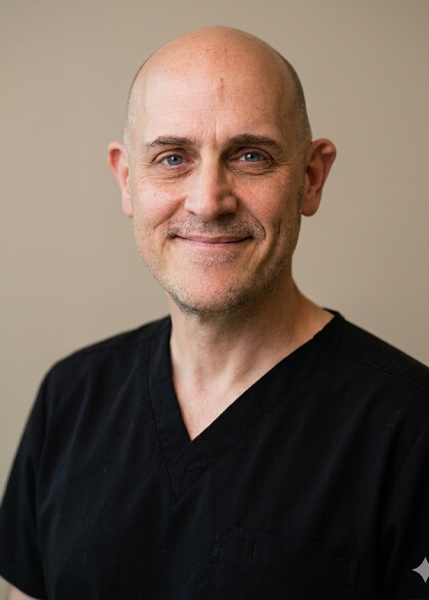
Dr. Christopher Wellwood, NP-C, MSN, DC, MS
Dr. Christopher Wellwood is a dual Board Certified Chiropractic Physician and Family Nurse Practitioner — a combination that puts him in a category of his own. His Doctorate in Chiropractic comes from the University of Western States, and his Master of Science in Nursing, Family Nurse Practitioner from Purdue University.
His clinical focus spans physical medicine, regenerative injection therapy (prolotherapy, PRP, stem cell, ozone), interventional pain management, functional neurology, and primary care. He is a published author in scientific journals — his research on adrenal and thyroid disease treatment is indexed in the Library of Medicine — and served as a Clinical Research Specialist at the Center for Health Research, contributing to the Premier Blood Pressure Study.
Dr. Wellwood believes the body has the ability to heal itself when given the right conditions. His approach addresses root causes rather than symptoms, combining conservative physical medicine with regenerative therapies to help patients recover, adapt, and thrive.